
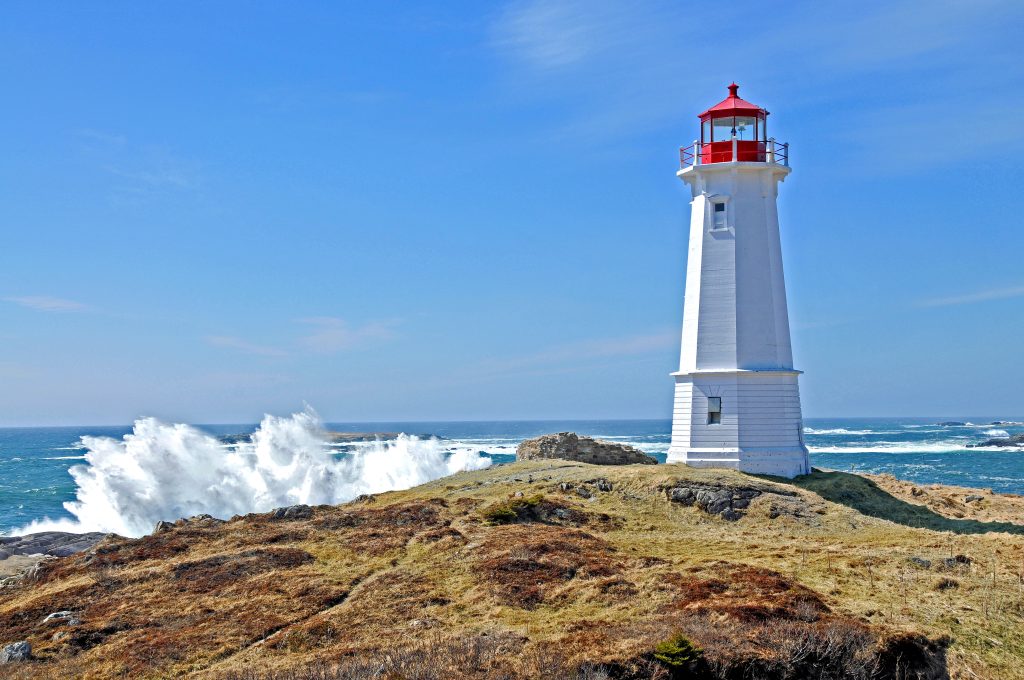
Louisbourg Lighthouse and the nearby coast are among the easiest ways to add Atlantic scenery to a Fortress of Louisbourg visit. The lighthouse is not a replacement for the fortress. It is a flexible coastal stop that works before dinner, after a day in the reconstructed town, or on a separate morning when weather and daylight are favourable.
Use this guide to choose between the lighthouse, harbour walks, historic trails and beach stops. The best route is usually not the longest one. Pick one or two stops that fit the day, leave time for the fortress, and check current conditions before heading toward the coast.
Start with the fortress plan
For most first-time visitors, the Fortress of Louisbourg should remain the day’s main commitment. Parks Canada recommends allowing a full day for the historic site. Check current hours and seasonal services before deciding whether a coastal stop belongs before or after the fortress.
The lighthouse works especially well when the fortress day finishes earlier than expected, when an overnight stay leaves a free morning, or when visitors want ocean views without committing to a long hike. See One Day in Louisbourg for a realistic short-trip structure.
Louisbourg Lighthouse
The Louisbourg Lighthouse is the natural anchor for this coastal guide. The lighthouse area looks across the harbour entrance and toward the Atlantic, giving context for the sea routes that shaped the town and fortress landscape.
Parks Canada identifies the Lighthouse Trail as a two-kilometre loop with interpretive panels. Beyond that loop, a more rugged section may be wet, so sturdy footwear is important. Wind, fog and changing light can make the same stop feel very different from one hour to the next. Treat the coast as an outdoor setting, not a guaranteed quick stop.
Royal Battery Trail for short history and views
Choose the Royal Battery Trail when time is limited but you want a historic stop with harbour views. Parks Canada describes it as a short 678-metre loop on Route 22, just beyond the Parks Canada visitor-centre entrance. Interpretive panels, the outline of the former defensive work and views toward the fortress, harbour and lighthouse make it a useful addition to a fortress day.
This is a better choice than trying to force a longer trail into a late afternoon. It offers a clear historical connection without requiring visitors to spend the whole day on foot.
Old Town Trail for a longer harbour walk
The Old Town Trail suits visitors who have more time and want a harbour-side route with deeper local context. Parks Canada describes the route as 2.25 kilometres along Louisbourg Harbour, passing through the area known locally as Old Town and ending near the former fortified-town landscape.
The official trail guidance says bicycles are not permitted, while parking and wheelchair accessibility are available. Visitors should still check local conditions, choose appropriate footwear and allow time to stop at interpretive panels rather than treating the trail as a race.
Kennington Cove Beaches
Kennington Cove Beaches is the better choice when the priority is a beach and exposed coastal scenery. Destination Cape Breton identifies Kennington Cove among the area’s sandy beach stops. It is best treated as a weather-dependent addition, particularly later in the day when fog, wind or fading light can change the experience quickly.
Bring layers, water and footwear suitable for uneven ground. Do not rely on a beach stop for fixed timing if the fortress or a long drive is already filling the day.
Simon’s Point Trail
Simon’s Point Trail is another useful choice for visitors who want a coastal-history option beyond the reconstructed town. Destination Cape Breton includes Simon’s Point among the Louisbourg-area walks that help explain the larger history of the community. It works best as an alternative to, rather than an addition to, every other coastal stop in one afternoon.
A flexible half-day route
Start at the lighthouse when the weather is clear and the group wants a scenic, low-commitment stop. Add Royal Battery Trail for a short historic walk. Choose Old Town Trail when there is enough time for a longer harbour route. Keep Kennington Cove or Simon’s Point as alternatives, depending on weather, daylight and energy levels.
For food and an overnight plan, use Where to Eat in Louisbourg and Where to Stay Near the Fortress. For a fuller comparison, see Best Walks, Beaches and Coastal Stops Near Louisbourg.
When the weather changes
A change in weather does not have to cancel the coastal part of the visit. If fog or strong wind makes Kennington Cove or a longer exposed walk less appealing, use the harbour-side history stops instead, or return to town for a meal and keep the lighthouse for the following morning. Avoid treating a forecast as a promise: the coast can change quickly, and visibility matters as much as rain when the goal is scenery.
Travellers staying overnight can use that flexibility to their advantage. Put the fortress on the day with the best available time and services, then use a clear morning or evening for the lighthouse and one trail. Visitors making a day trip from Sydney should be more selective, choosing one coastal stop rather than trying to complete every route before the return drive.
Before you go
Check weather, fog, wind, daylight, current fortress hours and trail conditions. Wear comfortable footwear, carry water, and do not assume every trail section is suitable for every visitor. Parks Canada states that trail use is at visitors’ own risk. A flexible plan is the best way to enjoy the coast without turning a Fortress visit into an overpacked day.